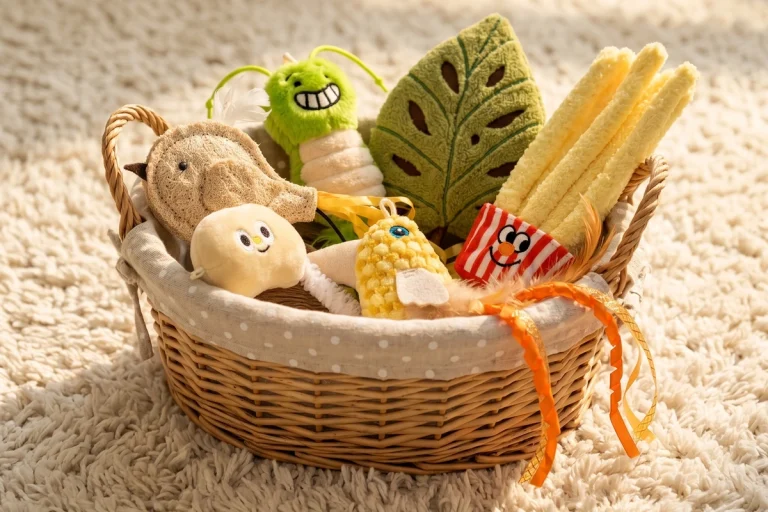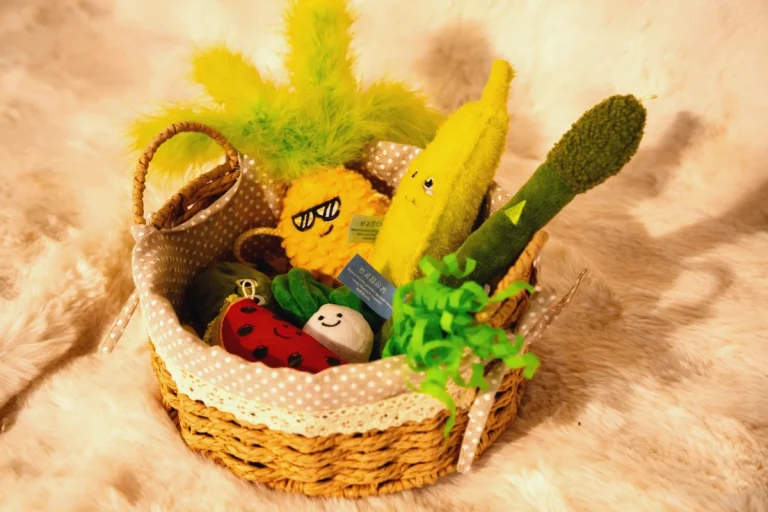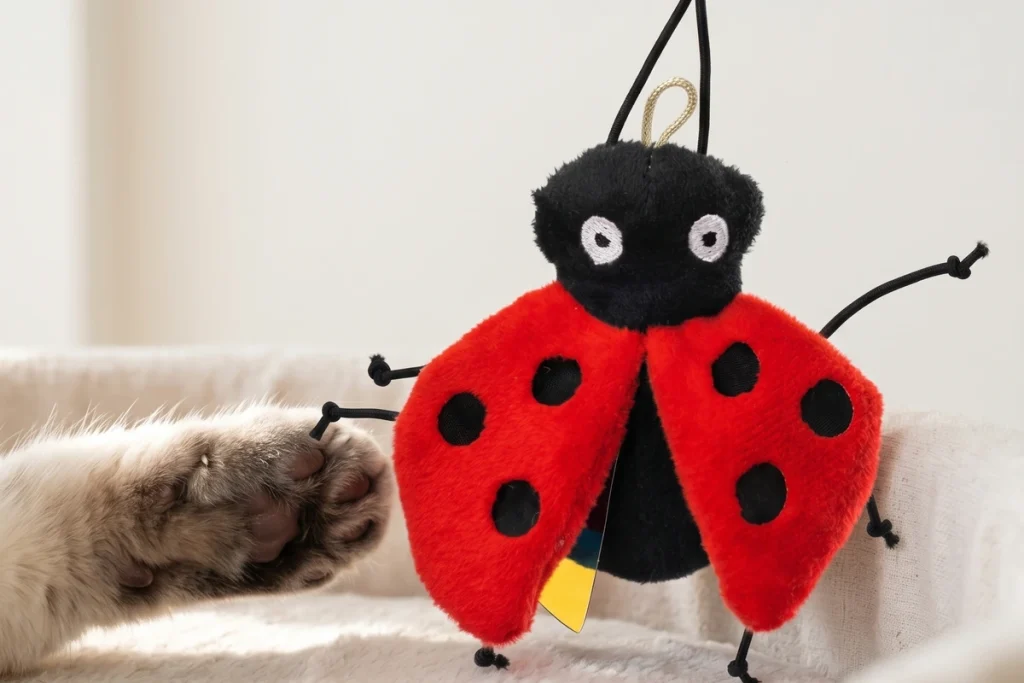
Cat Toy Selection Guide
How to Choose the Perfect Cat Toys: A Complete Guide for Pet Parents
Selecting the right toys for your feline companion can significantly impact their physical health, mental stimulation, and overall happiness. Not every cat needs the same type of toy, and understanding your cat’s unique personality and preferences is key to making the best choice.
Understanding Your Cat’s Play Style
Before purchasing any toy, observe how your cat interacts with their environment. Some cats are cautious observers who prefer to study objects before engaging, while others are active hunters who respond immediately to movement and sound.
The Cautious Observer
- Moves slowly and deliberately
- Prefers to stop and observe before acting
- Shows more interest in corners and edges
- Takes time to warm up to new objects
The Active Hunter
- Makes sudden sprinting movements
- Highly sensitive to motion
- Quickly loses interest without stimulation
- Prefers interactive and dynamic toys
Essential Materials and Textures for Cat Toys
Plush Materials
Plush fabrics are among cats’ favorite materials, especially for comfort and security. The soft texture mimics the feeling of a mother cat’s embrace, providing emotional comfort during rest periods. Cats often knead, cuddle, and sleep with plush toys, making them excellent for anxious or stressed cats.
Natural Cotton
Organic cotton materials are gentle on sensitive cat skin and free from harmful chemicals. This material is particularly suitable for cats with allergies or skin sensitivities, offering a safe and comfortable play experience.
Hemp Rope and Wood
These natural materials satisfy cats’ instinctual need to scratch and claw. Hemp rope provides the perfect texture for claw maintenance, while wood offers a natural scratching surface that helps keep claws healthy and prevents furniture damage.
Scent Elements That Attract Cats
Catnip (Nepeta cataria)
Catnip contains nepetalactone, which triggers euphoric responses in approximately 70% of cats. This natural herb can increase activity levels, reduce stress, and enhance playtime engagement. Effects typically last 10-15 minutes before cats become temporarily immune.
Silver Vine (Actinidia polygama)
Also known as matatabi, silver vine is often more potent than catnip and affects cats that don’t respond to traditional catnip. It stimulates hunting instincts and provides short bursts of intense excitement, making it perfect for encouraging exercise in sedentary cats.
Valerian Root
Unlike the stimulating effects of catnip, valerian root acts as a mild sedative while still attracting cats. It’s particularly beneficial for anxious cats or those experiencing stress from environmental changes, providing calming effects while maintaining interest.
Types of Cat Toys by Function
Interactive Toys
Feather wands, laser pointers, and motorized mice encourage active play and exercise. These toys are essential for indoor cats who need to burn energy and maintain their hunting instincts.
Comfort Toys
Soft plush toys and heated pads provide emotional support and security. These are particularly important for rescue cats, kittens, or cats experiencing separation anxiety.
Puzzle and Treat Toys
Food-dispensing toys and puzzle feeders stimulate mental activity while slowing down eating. These toys are excellent for overweight cats or those who eat too quickly.
Scratching Toys
Scratching posts, cardboard scratchers, and sisal toys maintain claw health and provide stress relief. Every cat household should have multiple scratching options in different textures and orientations.
Safety Considerations
Size and Small Parts
Ensure toys are appropriately sized for your cat and don’t contain small parts that could be swallowed. Remove any loose strings, buttons, or decorative elements that could pose choking hazards.
Material Quality
Choose toys made from non-toxic materials, especially if your cat tends to chew or ingest fabric. Look for certifications like OEKO-TEX Standard 100, which ensures textiles are free from harmful substances.
Regular Inspection
Examine toys regularly for wear and tear. Replace damaged toys immediately to prevent ingestion of stuffing or broken pieces.
Age-Appropriate Toy Selection
Kittens (0-6 months)
Focus on soft, small toys that encourage gentle play and comfort. Avoid toys with small parts or long strings that could cause injury.
Adult Cats (6 months – 7 years)
Provide a variety of toys including interactive wands, puzzle feeders, and scratching posts to maintain physical and mental health.
Senior Cats (7+ years)
Choose gentler toys that don’t require excessive jumping or running. Comfort toys and mild interactive options work best for older cats.
Creating a Toy Rotation System
To maintain your cat’s interest, implement a toy rotation system. Keep only 3-4 toys available at a time and rotate them weekly. This prevents boredom and makes old toys feel new again.
Conclusion
The perfect cat toy depends entirely on your individual cat’s personality, age, and preferences. By observing your cat’s behavior and understanding their needs, you can select toys that provide both entertainment and emotional support. Remember that the best toys are those that engage your cat’s natural instincts while keeping them safe and happy.
Quality cat toys are an investment in your pet’s physical and mental well-being. Choose toys made from safe, durable materials that will provide long-lasting companionship for your feline friend.